Cash back is the least mysterious credit card reward: one dollar of cash back is one dollar. The complicated part is everything around it. The biggest earn rate may apply only to one category, only up to a spending limit, and only when the merchant is coded the way the issuer expects.
So this is not a universal ranking. These are five useful starting points for different types of Canadian spending. We checked the ongoing earn rates and annual fees on issuer pages on July 26, 2026. Welcome offers change often and are not used to decide the order.
Five cash back cards worth comparing
Some “Apply” links on this page are affiliate links. ClearFin may earn a commission if you are approved for a card through them, at no extra cost to you. This does not affect calculated reward values or calculator rankings. Homepage featured placement is a separate commercial selection. How ClearFin makes money.
⚠ Disclaimer: The information in this content may become outdated over time. For the most accurate and up-to-date details, please visit the links provided.
Quick comparison
| Card | Annual fee | Useful when... | Watch for... |
|---|---|---|---|
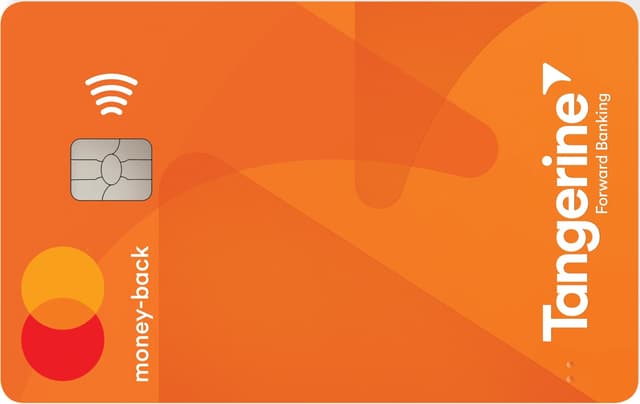
| Tangerine Money-Back | $0 | You want to choose your own bonus categories | Only 0.5% outside selected categories |
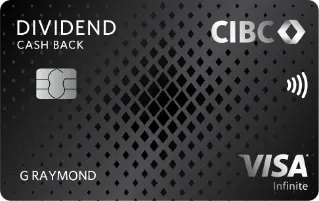
| CIBC Dividend Visa Infinite | $120 | Groceries and gas or EV charging are major expenses | Income requirement and category limits |
| Scotia Momentum Visa Infinite | $120 | You have large grocery and recurring-bill spending | Accelerated rates have annual limits |
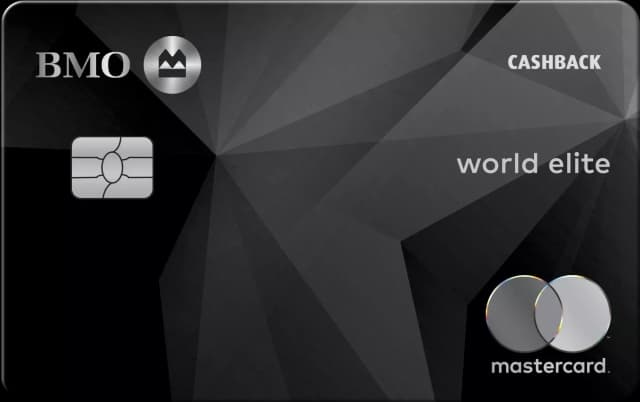
| BMO CashBack World Elite | $120 | You spend across groceries, transit, gas and bills | Monthly category caps can change the result |
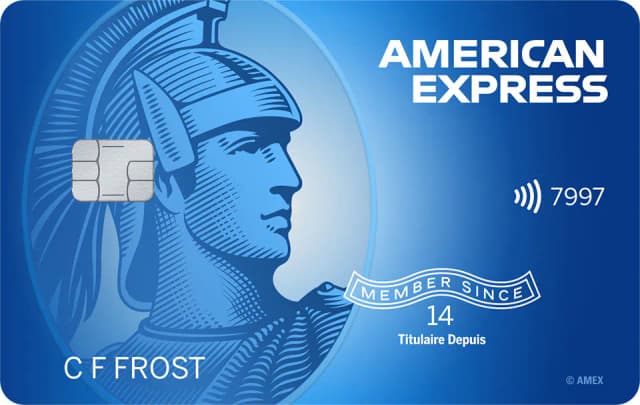
| SimplyCash from Amex | $0 | You value a 1.25% base rate with gas and grocery bonuses | Amex acceptance and the grocery limit |
How to choose without guessing
Start with the categories on your real statements
Add up three ordinary months of groceries, gas, transit, dining, recurring bills and everything else. Do not use a month with a major vacation or renovation unless that is typical for you. A category card only helps when your spending repeatedly lands in its strongest categories.
Check the cap, not only the percentage
BMO and several other issuers place monthly or annual limits on their highest rates. After the limit, the card earns a lower rate. That does not make the card bad; it means the headline percentage is not the whole calculation.
Make the annual fee earn its place
Compare a fee card with a realistic no-fee alternative. If a $120 card earns only $70 more for your spending, the no-fee card leaves you ahead. Count insurance or other benefits only when you would have paid for an equivalent benefit yourself.
Do not carry interest for rewards
Rewards are valuable only when the account is managed well. Interest on a carried balance can quickly exceed the cash back earned. If you expect to carry a balance, compare low-interest cards before rewards cards.
A simple example
Suppose most of your monthly card spending is groceries and pre-authorized bills. Scotia Momentum may deserve a calculation because both categories earn its top published rate. If your spending is lighter and spread across restaurants, transit and home improvement, Tangerine's selectable categories may be easier to justify because there is no annual fee. The right answer comes from the spending pattern, not the louder advertisement.
Try the ClearFin cash back calculator with your own numbers, then confirm the current offer, category definitions and limits on the issuer's website before applying.
Official sources
We checked the current product information on the official pages for Tangerine, CIBC, Scotiabank, BMO, and American Express.