Five cards worth considering for different reasons
A credit card can look excellent in an advertisement and still be a poor fit at home. The result changes with the stores you use, the amount you spend, the payment network merchants accept and whether you prefer cash back or travel points. Even a valuable insurance or airport benefit is worth little when you would not otherwise use it.
The cards below cover five common situations rather than pretending one product wins for everyone. We checked the ongoing earn rates and annual fees on issuer pages on August 2, 2026. Welcome offers are not used to decide the order because they change frequently. Before applying, open the issuer source and confirm the current terms for your province and application.
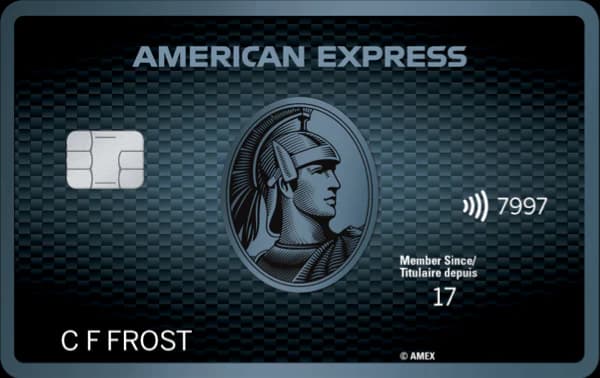
American Express Cobalt Card
A food-first points card
5 Membership Rewards points per dollar on eligible Canadian eats and drinks, up to $2,500 in purchases each month; 3 points on eligible streaming, 2 on eligible gas and transit, and 1 on other eligible purchases. The fee is $15.99 per month.
Worth considering when food is a large category and the places you use accept American Express. The monthly cap and the way you redeem points both matter.

Scotiabank Gold American Express
For Scene+ grocery and food spending
6 Scene+ points per dollar at participating Sobeys-family grocers, 5 points on other eligible groceries and dining, and a $120 annual fee.
The strongest earn rate depends on the store. Check both the merchant list and American Express acceptance before treating the headline rate as your normal return.
$150cash rebate*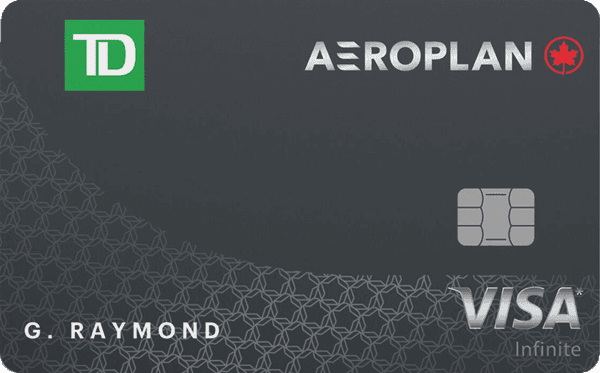
TD Aeroplan Visa Infinite
For regular Air Canada travellers
1.5 Aeroplan points per dollar on eligible gas, EV charging, groceries and purchases made directly with Air Canada; 1 point on other eligible purchases; $139 annual fee.
The Aeroplan and Air Canada benefits are more useful when you fly with the airline often enough to use them. Otherwise, a simpler cash back card may be easier to value.
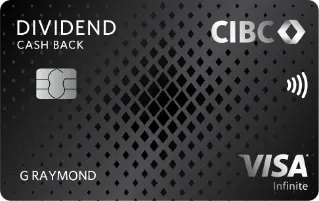
CIBC Dividend Visa Infinite
For practical cash back categories
4% cash back on eligible gas, EV charging and groceries; 2% on eligible transportation, dining, recurring payments and CIBC by Expedia travel; 1% on other purchases; $120 annual fee.
A clear option when groceries and driving are large, predictable expenses and you prefer cash back to learning a points program.
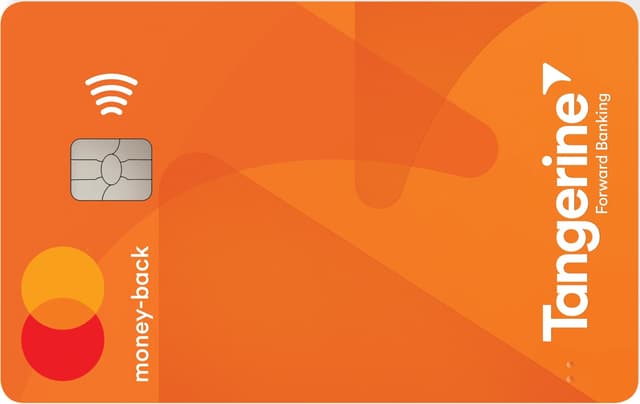
Tangerine Money-Back Credit Card
A flexible no-fee option
2% cash back in two selected categories, or three when rewards are deposited to a Tangerine Savings Account; 0.5% on other purchases; $0 annual fee.
Useful when your largest expenses fit Tangerine's category list. Spending outside the selected categories earns a much lower rate.
$75cash rebate*Some “Apply” links on this page are affiliate links. ClearFin may earn a commission if you are approved for a card through them, at no extra cost to you. This does not affect calculated reward values or calculator rankings. Homepage featured placement is a separate commercial selection. How ClearFin makes money.
⚠ Disclaimer: The information in this content may become outdated over time. For the most accurate and up-to-date details, please visit the links provided.
A quick comparison before you calculate
| Card | Annual fee | Useful when | Check carefully |
|---|---|---|---|
| American Express Cobalt | $15.99/month | Eligible food spending is a major category | Monthly food cap, point use and Amex acceptance |
| Scotiabank Gold American Express | $120/year | You shop at participating Scene+ grocers | Store-specific rates and Amex acceptance |
| TD Aeroplan Visa Infinite | $139/year | You regularly use Air Canada and Aeroplan | Benefit use, redemption value and eligibility |
| CIBC Dividend Visa Infinite | $120/year | Groceries and driving are large expenses | Category limits and income requirements |
| Tangerine Money-Back | $0 | Your spending fits two or three chosen categories | Only 0.5% outside those categories |
Start with your spending, not the card name
Look at a few normal months and total groceries, restaurants, gas, transit, recurring bills, travel and everything else. Then compare what each card would earn in those categories and subtract its annual fee. Do not value a point at the best redemption someone else found; use the redemption you are realistically willing to book.
ClearFin's Canadian credit card calculator applies card earn rates to the spending you enter. After that, use the side-by-side comparison tool to inspect the annual fee, category return and estimated net value. The estimate is a starting point, so confirm merchant coding, caps and issuer terms before applying.
What about sign-up bonuses?
The best credit card sign-up bonus in Canada can change while a guide is still being indexed. A large number is also not free value: you may need to meet a spending target, keep the account open for an anniversary offer or pay the annual fee before receiving every part. Check the application page on the day you apply and ignore any bonus that would require purchases you were not already planning.
Online shopping, Amazon and everyday purchases
For online shopping or Amazon.ca, look beyond a category headline. Marketplace purchases often earn a card's general rate unless the issuer identifies the merchant as an eligible bonus category. Payment network acceptance, purchase protection and the base earn rate may be more useful than a narrow promotion. Our guide to the best credit cards for everyday spending compares cards around common household use rather than a single retailer.
A practical approach for young professionals
A card marketed as premium is not automatically the best credit card for a young professional in Canada. A no-fee card can make more sense while spending is modest, while a travel card may be reasonable for someone who flies often and would buy the included benefits anyway. Leave room in the budget to pay the statement balance and keep the number of cards easy to manage.
Choose a deeper guide for your main category
Cash back
Cash back is easy to compare because the value is stated in dollars. Category limits and annual fees still matter. See the best cash back credit cards in Canada.
Travel
Travel cards can offer more value when you understand the program and use its airline, transfer or airport benefits. Compare our Canadian travel credit card guide.
Groceries
Grocery rewards depend heavily on where the store sits in the issuer's merchant categories. Read the grocery credit card comparison before assuming every supermarket earns the same rate.
No annual fee
A no-fee card can be a strong primary card or a useful backup for a payment network your other card does not cover. Start with the best no-annual-fee credit cards in Canada.
Students and credit builders
Approval requirements and responsible repayment matter more than a small reward difference when you are establishing credit. Our student credit card guide explains the main trade-offs.
Compare the card you are considering with one realistic no-fee alternative. If the paid card does not earn back its annual fee in your normal spending, the simpler card leaves you ahead.
Frequently asked questions
Issuer sources checked
Product terms and promotions can change. We checked the following issuer pages on August 2, 2026: