Grocery rewards are unusually dependent on the details. Some cards pay their best rate only at a group of partner stores. Some warehouse clubs may be coded differently from a normal supermarket. American Express can be rewarding where it is accepted, but it should not be assumed to work at every checkout.
We reviewed these cards by asking a practical question: who is each card actually for? Rates and fees were checked on issuer pages on July 26, 2026. Temporary welcome offers are not the reason a card appears here.
Five grocery cards worth putting on your shortlist


Some “Apply” links on this page are affiliate links. ClearFin may earn a commission if you are approved for a card through them, at no extra cost to you. This does not affect calculated reward values or calculator rankings. Homepage featured placement is a separate commercial selection. How ClearFin makes money.
⚠ Disclaimer: The information in this content may become outdated over time. For the most accurate and up-to-date details, please visit the links provided.
Quick comparison
| Card | Fee | Grocery strength | Main trade-off |
|---|---|---|---|
| Scotiabank Gold Amex | $120/year | 6x at participating Scene+ grocers; 5x other eligible grocery | Store and Amex acceptance |
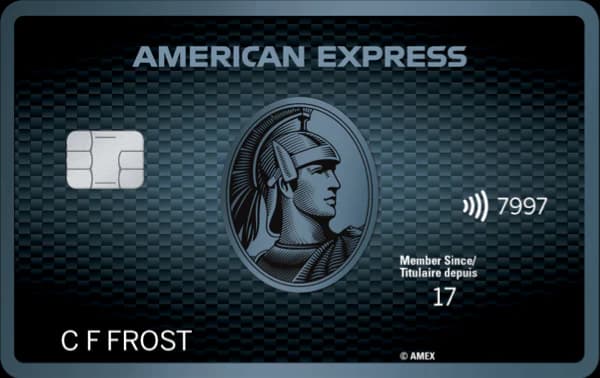
| American Express Cobalt | $15.99/month | 5x on eligible Canadian eats and drinks | Monthly cap and point valuation |
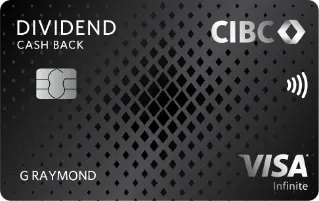
| CIBC Dividend Visa Infinite | $120/year | 4% on eligible grocery purchases | Income requirement and category limits |
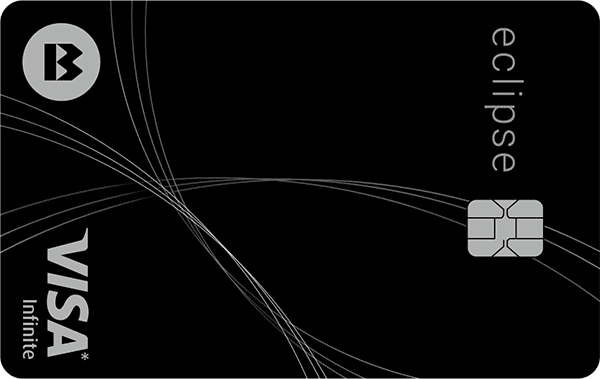
| BMO Eclipse Visa Infinite | $120/year | 5 BMO Rewards points per dollar | Point value depends on redemption |
| PC Financial World Elite | $0 | 3% in points at participating grocery stores | Works best inside one store ecosystem |
Choose the store before the card
Write down the two stores where you buy most of your groceries. Then confirm which card network each store accepts and whether the issuer treats the merchant as a grocery store. This step can eliminate an otherwise impressive card immediately.
A Scotiabank Gold Amex is especially interesting at participating Sobeys-family stores. A PC Financial card is built around participating Loblaw-banner stores and PC Optimum redemptions. If neither group reflects your routine, a broader grocery cash back card may be easier to use.
Points and percentages are not interchangeable
Five points per dollar does not automatically mean 5% back. With cash back, the percentage is direct. With points, the result depends on the program and redemption you choose. Compare the dollar value of a realistic redemption, not an optimistic “up to” estimate.
Check the spending cap
Grocery bonus rates often have monthly or annual limits. The Amex Cobalt food rate, for example, has a monthly purchase limit. Other cards apply their accelerated rate only to a set amount of annual category spending. If your household spends beyond the cap, include the lower rate in the rest of your calculation.
Do you need a backup card?
A high-earning American Express card can still be a good choice even when it is not accepted everywhere. The practical solution is often a no-fee Visa or Mastercard backup. Our guide to the best credit card combinations in Canada explains how to give each card a separate job without overcomplicating your wallet.
Our bottom line
For a Scene+ grocery shopper, Scotiabank Gold may be the first card to calculate. For broader food spending, Cobalt deserves a look. For direct cash back and Visa acceptance, CIBC Dividend is easier to value. BMO Eclipse covers several everyday categories, while PC Financial World Elite is a focused no-fee option for participating grocery stores. The best choice starts with your receipt, not the ad.
Official sources
Current details were checked on official pages from Scotiabank, American Express, CIBC, BMO, and PC Financial.