Top 5 Student Credit Cards in Canada
We evaluated dozens of student cards on annual fee, earn rates, credit-building features, and approval odds for first-time applicants. These five stand out for 2026.
Some “Apply” links on this page are affiliate links. ClearFin may earn a commission if you are approved for a card through them, at no extra cost to you. This does not affect calculated reward values or calculator rankings. Homepage featured placement is a separate commercial selection. How ClearFin makes money.
⚠ Disclaimer: The information in this content may become outdated over time. For the most accurate and up-to-date details, please visit the links provided.
Student Card Comparison Table
Side by side, here is how each card stacks up on the features that matter most to students.
| Card | Annual Fee | Best Earn Rate | Base Rate | Reward Type |
|---|---|---|---|---|
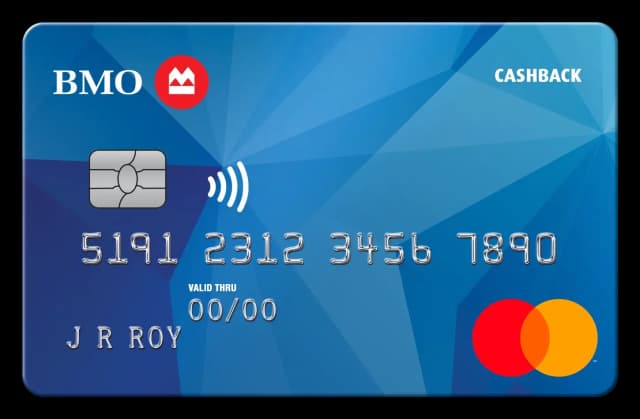
| BMO CashBack Mastercard | $0 | 3% groceries (intro) | 0.5% | Cashback |
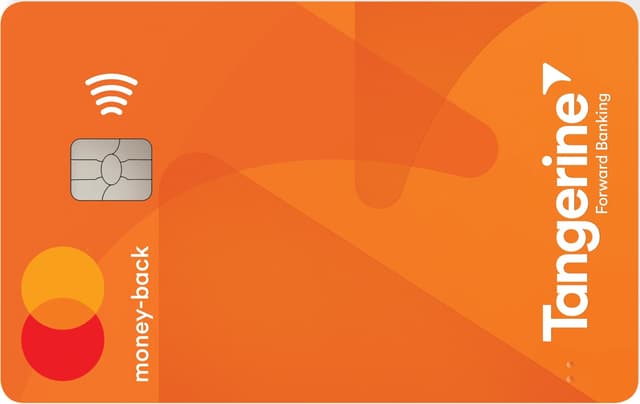
| Tangerine Money-Back | $0 | 2% on 2 categories | 0.5% | Cashback |
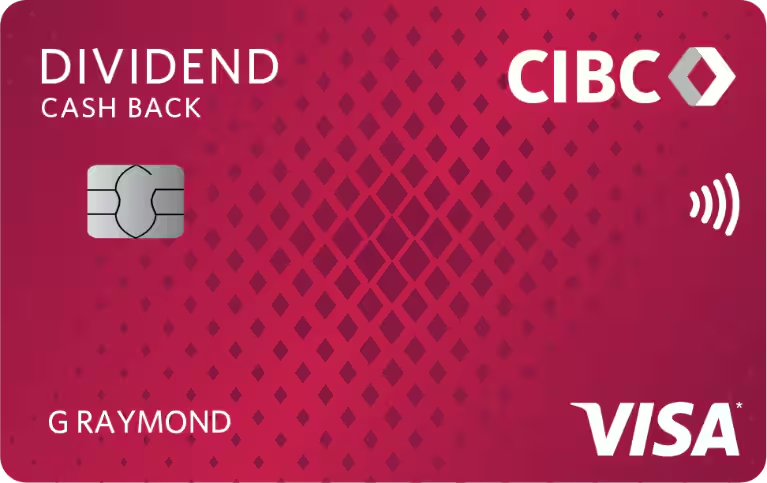
| CIBC Dividend Visa (Student) | $0 | 1% all purchases | 1% | Cashback |
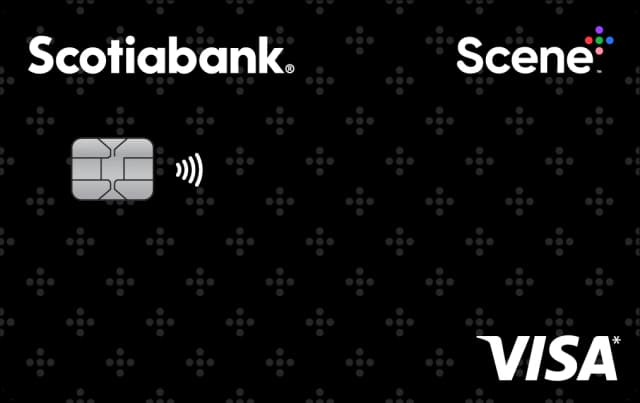
| Scotia Scene+ Visa | $0 | 1 pt / $1 spent | 1 pt / $1 | Points (Scene+) |
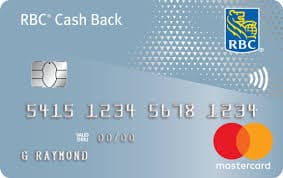
| RBC Cash Back Mastercard | $0 | 2% groceries | 0.5% | Cashback |
How Credit Cards Build Your Credit Score
In Canada, your credit history is tracked by two bureaus: TransUnion and Equifax. When you open a credit card and use it responsibly, the issuer reports your activity to both bureaus every month. This creates a credit file that follows you for decades.
Payment History (35% of your score)
The single biggest factor. Every on-time payment pushes your score up. Every late payment — even by a day past 30 days overdue — pulls it down and stays on your report for six to seven years. Set up autopay for at least the minimum payment so you never miss a due date.
Credit Utilization (30% of your score)
This is how much of your available credit you are using. If your limit is $1,000 and your balance is $800, your utilization is 80% — far too high. The general rule is to keep utilization below 30%, but below 10% is ideal. Pay your balance before the statement date if you need to lower utilization for a specific month.
Credit History Length (15%)
The longer your accounts have been open, the better. This is why getting a student card early matters — by the time you graduate, you will already have several years of credit history, which makes you a stronger applicant for a mortgage, car loan, or premium rewards card later.
Credit Mix and New Inquiries (20%)
Having different types of credit (credit card, student loan, phone plan) helps slightly. Each new application triggers a hard inquiry that temporarily lowers your score by a few points, so avoid applying for multiple cards at once.
Student Card vs Regular Card — What Is Different?
Student credit cards are specifically designed for applicants with limited or no credit history. Here is how they differ from regular cards.
| Feature | Student Card | Regular Card |
|---|---|---|
| Income requirement | Low or none | Usually $15,000+ |
| Credit history needed | None | Fair to good |
| Typical credit limit | $500 – $1,500 | $2,000 – $10,000+ |
| Annual fee | Almost always $0 | $0 – $699 |
| Rewards earn rate | Lower (0.5% – 2%) | Higher (1% – 5%) |
| Perks (insurance, lounge) | Minimal | Moderate to extensive |
The trade-off is simple: student cards are easier to get approved for, but they come with lower limits and fewer perks. That is fine — the primary purpose of your first card is to build credit, not collect travel insurance.
Common Mistakes Students Make with Credit Cards
1. Carrying a Balance
Student cards charge 19.99% to 22.99% interest. A $500 balance carried for a year costs you roughly $100 in interest — money that could go toward textbooks or rent. Always pay your full statement balance each month.
2. Only Making Minimum Payments
Minimum payments are designed to keep you in debt. On a $1,000 balance at 19.99%, paying only the minimum means it takes over seven years to pay off and you pay nearly $800 in interest on top of the original amount.
3. Applying for Too Many Cards at Once
Each application triggers a hard inquiry. Three or four inquiries in a short period can drop your score significantly and signal financial distress to lenders. Start with one card, use it responsibly for six months, then consider adding a second.
4. Ignoring Your Statement
Fraudulent charges happen. Review your statement every month to catch unauthorized transactions early. Most issuers offer zero-liability fraud protection, but only if you report the issue promptly.
5. Closing Your First Card Too Soon
Your oldest account contributes to your credit history length. Even after you upgrade, consider keeping your student card open with a small recurring charge to maintain that history.
When to Upgrade from a Student Card
There is no strict timeline, but most students are ready to upgrade when they meet these criteria:
You have at least 12 months of on-time payments. Your credit score is 680 or higher. You have a stable income (full-time job, not just a part-time campus role). Your spending has grown beyond what your student card rewards effectively.
When you do upgrade, look at cards with higher earn rates in your top spending categories. ClearFin can match your actual spending to the best card — try the calculator on our homepage.
Keep your credit utilization below 30% — but if you want the best possible score, aim for under 10%. If your student card has a $1,000 limit, try to keep your balance below $100 at statement time. You can make multiple payments per month to keep the reported balance low even if your total monthly spending is higher.