No annual fee does not mean no trade-offs. A no-fee card may have a lower base rate, a spending cap on its best category, fewer insurance benefits, or rewards tied to a specific group of stores. The upside is simple: you do not have to earn back a fee before the card creates value.
These five cards cover different needs rather than pretending one card suits everybody. We checked the ongoing earn rates on official issuer pages on July 26, 2026 and left short-lived welcome bonuses out of the comparison.
Five no-fee cards worth comparing
Some “Apply” links on this page are affiliate links. ClearFin may earn a commission if you are approved for a card through them, at no extra cost to you. This does not affect calculated reward values or calculator rankings. Homepage featured placement is a separate commercial selection. How ClearFin makes money.
⚠ Disclaimer: The information in this content may become outdated over time. For the most accurate and up-to-date details, please visit the links provided.
Quick comparison
| Card | Best use | What to check |
|---|---|---|
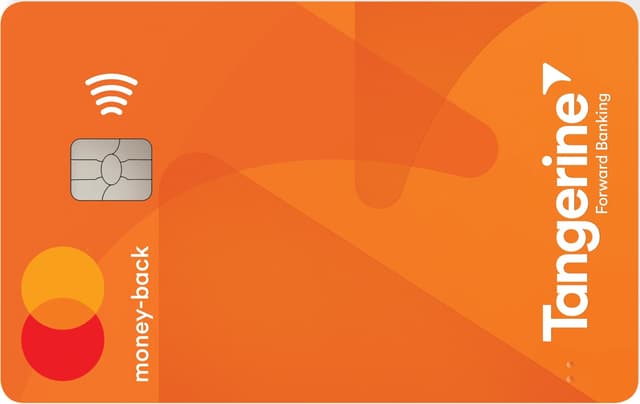
| Tangerine Money-Back | Two or three chosen categories | Only 0.5% outside those categories |
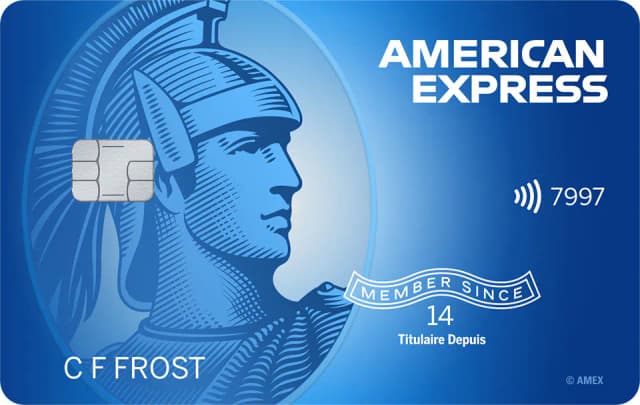
| SimplyCash from Amex | Gas, groceries and a 1.25% base rate | Amex acceptance and grocery limit |
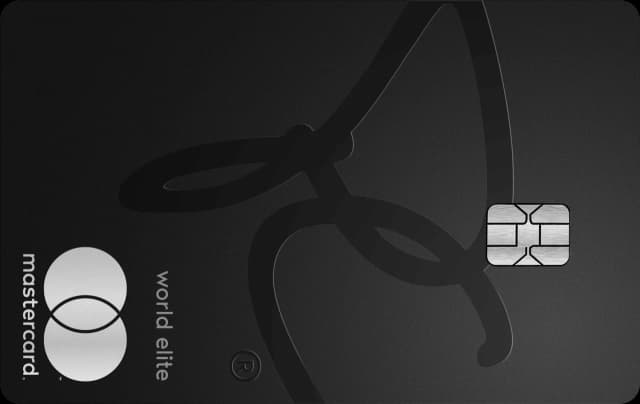
| PC Financial World Elite | Participating PC Optimum stores | Income eligibility and where points can be redeemed |
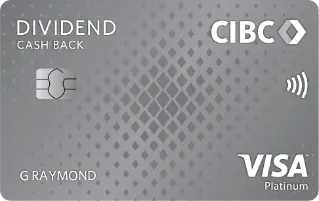
| CIBC Dividend Visa | Basic cash back with grocery emphasis | Category and total spending limits |
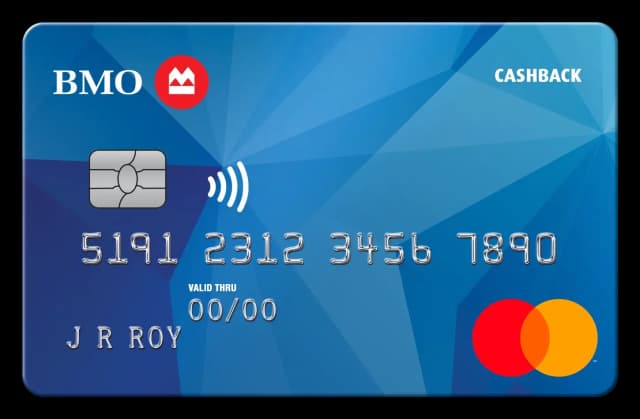
| BMO CashBack Mastercard | Groceries and recurring bills | Monthly bonus-category caps |
Who benefits most from a no-fee card?
A no-fee card is often a strong first card, a long-term backup, or a sensible choice for lighter spending. It can also protect a long account history from an annual-fee decision: you are less likely to cancel a card simply because the yearly cost no longer makes sense.
That does not mean a no-fee card is always cheaper. A household with high grocery and recurring-bill spending may earn enough additional cash back on a fee card to finish ahead. Use the ClearFin calculator to compare the extra rewards after the fee.
Flexible rewards or store rewards?
Tangerine is flexible because you can select categories and receive cash back. PC Financial is more focused: it makes the most sense for someone who shops at participating stores and already uses PC Optimum. Neither structure is automatically better. One follows your spending categories; the other follows your preferred retailers.
Read the cap before trusting the top rate
BMO CashBack earns 3% on eligible grocery purchases, but its accelerated category has a monthly spending limit. SimplyCash has an annual grocery limit on its 2% rate. CIBC also sets limits in its cash back terms. For an accurate estimate, apply the bonus rate only up to the cap and the base rate after it.
No annual fee does not mean no interest
These are rewards cards, not low-interest borrowing tools. If you carry a balance, purchase interest can erase the rewards quickly. Paying on time and in full matters more than earning an extra percentage point.
Our bottom line
Tangerine is the flexible choice. SimplyCash offers a useful base cash back rate where Amex is accepted. PC Financial World Elite is for committed PC Optimum shoppers who meet its requirements. CIBC Dividend and BMO CashBack are familiar Visa and Mastercard choices with grocery emphasis. Pick the structure you will actually remember at the checkout.
Official sources
Product details were checked on the official pages for Tangerine, American Express, PC Financial, CIBC, and BMO.