The short answer
The best points credit card is not necessarily the one with the biggest points number. A 5X category can look stronger than a 2X category, but those points can belong to completely different programs with different redemption values. Start with your normal monthly spending, then ask what one point is realistically worth to you in the program you would use.
The five cards below cover several common approaches: flexible points, Scene+, Aeroplan, BMO Rewards and Avion. We use their regular earn rates and annual fees as the foundation rather than ranking them by temporary welcome bonuses. Issuer terms were checked on October 11, 2026 and can change, so confirm the current application page before applying.

American Express Cobalt Card
Flexible points for food-heavy spending
Earn 5 Membership Rewards points per $1 on eligible eats and drinks in Canada, up to $2,500 in purchases per month, 3 points on eligible streaming, 2 on eligible gas and transit, and 1 on other eligible purchases. The fee is $15.99 per month, or $191.88 annually.
Cobalt is worth a close look when dining and grocery spending make up a large part of your budget and the merchants you use accept American Express. The food-category cap and your preferred redemption method both affect the real value.

Scotiabank Gold American Express
High Scene+ earn rates in everyday categories
Earn 6 Scene+ points per $1 CAD at participating Sobeys-family grocers in Canada, 5 points on eligible dining, food delivery, entertainment and other eligible groceries, 3 points on eligible gas, transit and select streaming, and 1 point on other eligible purchases. The annual fee is $120.
The strongest earn rates are merchant- and category-specific. This card is most interesting when your normal stores fit those categories and American Express acceptance works for your routine.
$150cash rebate*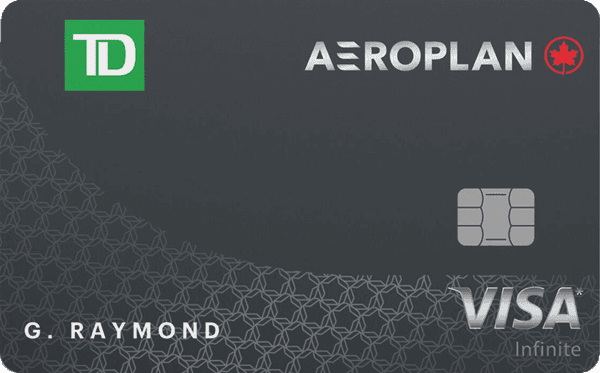
TD Aeroplan Visa Infinite
Aeroplan points for regular Air Canada users
Earn 1.5 Aeroplan points per $1 on eligible gas, EV charging, grocery and purchases made directly with Air Canada, plus 1 point per $1 on other eligible purchases. The current annual fee is $139.
Aeroplan points can be useful when you already travel with Air Canada or understand how you want to redeem them. The card should still make sense after the annual fee once any first-year promotion is gone.
BMO Eclipse Visa Infinite
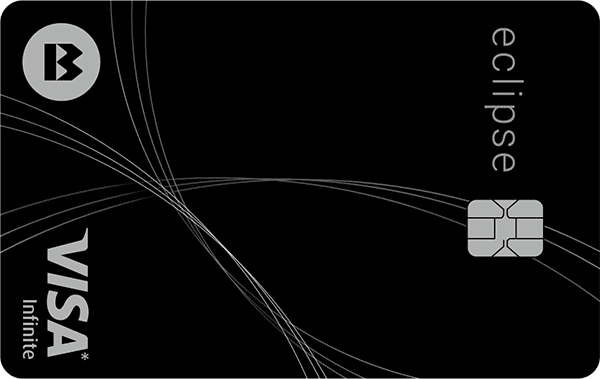
BMO Rewards across several daily categories
Earn 5 BMO Rewards points per $1 on eligible groceries, dining, gas and transit, up to the program's applicable category limits, and 1 point per $1 on other purchases. The annual fee is $120, with the current first-year offer subject to BMO terms.
The broad 5-points categories make the card easy to notice, but points per dollar are not the same thing as cash back. Check the BMO Rewards redemption you would realistically use before comparing it with another program.
$120cash rebate*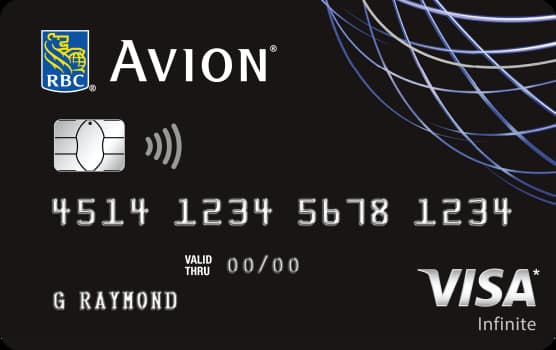
RBC Avion Visa Infinite
Avion points with flexible travel redemptions
Earn 1 Avion point per $1 on purchases, with 25% more points on eligible travel-related purchases, for an effective 1.25 points per $1 in that category. The annual fee is $120.
Avion can appeal to travellers who value a flexible rewards program rather than one airline-specific currency. Compare the redemption you expect to use, not just the number of points earned.
Some “Apply” links on this page are affiliate links. ClearFin may earn a commission if you are approved for a card through them, at no extra cost to you. This never affects how we rank or review cards.
⚠ Disclaimer: The information in this content may become outdated over time. For the most accurate and up-to-date details, please visit the links provided.
Points cards side by side
| Card | Program | Annual fee | Where it stands out |
|---|---|---|---|
| American Express Cobalt | Membership Rewards | $191.88/year | Eligible Canadian eats and drinks |
| Scotiabank Gold American Express | Scene+ | $120/year | Participating groceries, dining and entertainment |
| TD Aeroplan Visa Infinite | Aeroplan | $139/year | Gas, groceries and direct Air Canada purchases |
| BMO eclipse Visa Infinite | BMO Rewards | $120/year | Groceries, dining, gas and transit |
| RBC Avion Visa Infinite | Avion Rewards | $120/year | Flexible travel rewards and eligible travel earn |
Points per dollar is not the same as return on spending
This is the most important distinction when comparing points cards. Issuers choose their own point currency. One Membership Rewards point, Scene+ point, Aeroplan point, BMO Rewards point and Avion point should not be treated as if they are interchangeable. The value can also change depending on whether you redeem for travel, statement credits, merchandise or another option.
That is why ClearFin's calculator converts reward structures into an estimated annual value instead of sorting cards by the largest multiplier. Use the credit card rewards calculator with your spending, then open the side-by-side comparison tool when you have narrowed the choice to two cards.
Watch category limits and merchant coding
An accelerated rate usually applies only when a purchase is coded into an eligible merchant category, and some cards place monthly or annual limits on accelerated earning. For example, Cobalt's 5X eats-and-drinks earn rate has a monthly spending cap, while BMO states an annual limit across its 5X categories. A store selling groceries does not automatically mean every card network will classify the transaction as grocery.
Before changing where you shop just to chase points, check how your normal merchants code and whether the card is accepted there. A slightly lower earn rate that works on most of your real spending can beat a headline multiplier you rarely receive.
Annual fees can change the winner
Calculate the rewards you expect to earn over a normal year, subtract the ongoing annual fee, and then add only the benefits you would genuinely pay for yourself. Airport perks, insurance and statement credits can be useful, but giving every perk its advertised retail value can make a card appear better than it is for your situation.
First-year fee waivers and welcome bonuses are useful when you qualify, but they should not hide the second-year economics. If you want a simpler card with no yearly cost, compare the options in our no-annual-fee credit card guide.
Points card or travel card?
The categories overlap, but the intent is different. Some points cards are built mainly around everyday spending while travel cards may put more value into airline benefits, lounge access, insurance or foreign-currency features. If your main goal is travel rather than points accumulation itself, read our best travel credit cards in Canada before deciding.
Run the same monthly budget through two cards and compare the estimated value after fees. If one card earns more points but produces less usable value for you, the bigger multiplier is just a bigger number.
Frequently asked questions
Issuer sources checked
We checked current issuer pages on October 11, 2026. Reward rates, fees, category definitions, caps and promotions can change.